

Coronavirus disease 2019

Uncategorized

COVID-19 is a contagious disease caused by the coronavirus SARS-CoV-2. In January 2020, the disease spread worldwide, resulting in the COVID-19 pandemic.

The symptoms of COVID‑19 can vary but often include fever,[7] fatigue, cough, breathing difficulties, loss of smell, and loss of taste.[8][9][10] Symptoms may begin one to fourteen days after exposure to the virus. At least a third of people who are infected do not develop noticeable symptoms.[11][12] Of those who develop symptoms noticeable enough to be classified as patients, most (81%) develop mild to moderate symptoms (up to mild pneumonia), while 14% develop severe symptoms (dyspnea, hypoxia, or more than 50% lung involvement on imaging), and 5% develop critical symptoms (respiratory failure, shock, or multiorgan dysfunction).[13] Older people have a higher risk of developing severe symptoms. Some complications result in death. Some people continue to experience a range of effects (long COVID) for months or years after infection, and damage to organs has been observed.[14] Multi-year studies on the long-term effects are ongoing.[15]

COVID‑19 transmission occurs when infectious particles are breathed in or come into contact with the eyes, nose, or mouth. The risk is highest when people are in close proximity, but small airborne particles containing the virus can remain suspended in the air and travel over longer distances, particularly indoors. Transmission can also occur when people touch their eyes, nose, or mouth after touching surfaces or objects that have been contaminated by the virus. People remain contagious for up to 20 days and can spread the virus even if they do not develop symptoms.[16]

Testing methods for COVID-19 to detect the virus’s nucleic acid include real-time reverse transcription polymerase chain reaction (RT‑PCR),[17][18] transcription-mediated amplification,[17][18][19] and reverse transcription loop-mediated isothermal amplification (RT‑LAMP)[17][18] from a nasopharyngeal swab.[20]

Several COVID-19 vaccines have been approved and distributed in various countries, many of which have initiated mass vaccination campaigns. Other preventive measures include physical or social distancing, quarantining, ventilation of indoor spaces, use of face masks or coverings in public, covering coughs and sneezes, hand washing, and keeping unwashed hands away from the face. While drugs have been developed to inhibit the virus, the primary treatment is still symptomatic, managing the disease through supportive care, isolation, and experimental measures.
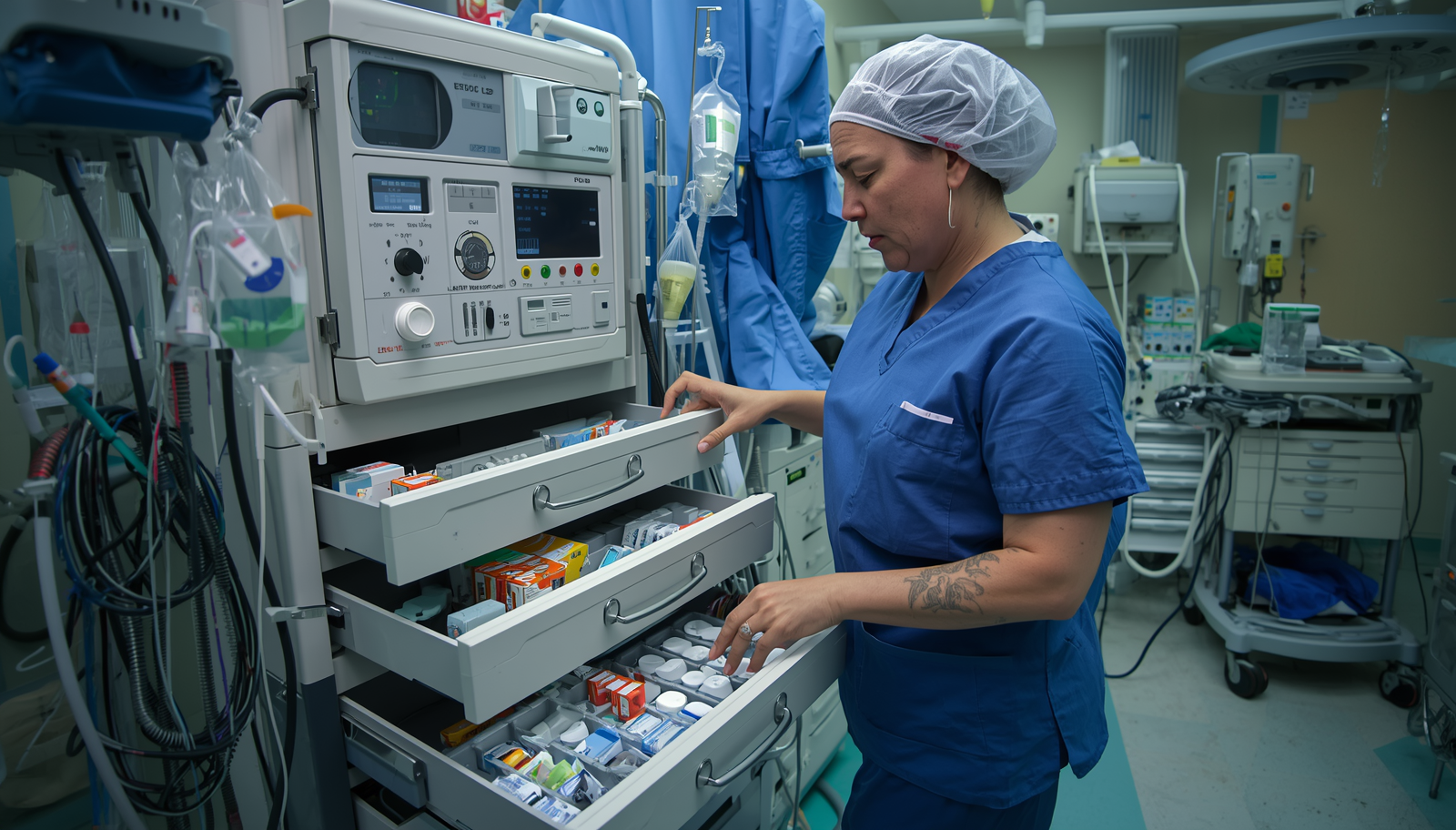

STEPS TO FOLLOW TO BUILD A 1099 BUSINESS:

  • Protect yourself and your assets by performing your contract work under the umbrella of a business entity. Think about what you’d like your proposed business to be named!
    • Visit your Secretary of State website to see if your chosen name is available
    • Check with your state’s Board of Nursing for state specific requirements
  • File applicable business set-up paperwork
  • The S-Corp Edge: How you structure your 1099 CRNA business will have far-reaching consequences, whether it is a sole proprietorship, a limited liability corporation (LLC), or an S corporation (S-corp). 
    An S-corp may offer several advantages over other business structures when it comes to taxation. In this structure, a business owner is called a shareholder, and the business owner is recognized by the IRS as an employee of the business. What this means is that the business owner must pay themselves a salary through the corporation. The S-corp pays their payroll taxes, which can in turn be deducted as a business expense. Income tax is paid through its owners’ tax returns based on their percentage of ownership. Moreover, any remaining profits have a lower tax rate than regular income. An S-corp may also allow 1099 CRNAs to avoid a higher tax level that other self-employed contractors pay for Medicare and Social Security.
          A CRNA may structure their company as an S-corp serving as the sole owner, with their business income, tax deductions, and losses passing through to the owner, as opposed to being taxed at a corporate level – a potentially smart move for maximizing financial security in the future.
    • Register for an EIN
  • Open a business checking account and credit card
  • Keep track of all your business expenses as these could save you money come tax time!
    • Have an envelope for receipts or a folder on your computer where you scan these into
  • Be sure not to co-mingle your business and personal finances!
  • Remember, as a freelance CRNA, if you don’t work, you don’t get paid!
    • Do you have at least six months savings should your contract abruptly stop?
  • Think about replacing your current benefits
    • Health Insurance
    • Health Savings Account/Dependent Savings Account
    • Retirement Savings Account
    • Life Insurance
    • Disability Insurance
  • Procure malpractice insurance
  • Look for jobs!
  • Apply for state licenses where you want to work
    • Each state needs a different CRNA license (and RN if they are not a compact state). Keep this in mind as some BONs can take 3-6 months to license a provider.
  • Have an employment attorney review your contract
  • Have your contract written to your business and deposit all earnings into your business checking
  • Keep A Schedule
  • As a W-2 employee, your taxable income and amounts taken out for taxes appeared on your W-2 form at the end of every year, without you having to calculate them. But when a firm pays more than $600 for services from an independent contractor, that income must be reported to the IRS.
    What many 1099 CRNAs don’t realize is that they must pay taxes on their income as they earn it. Paying your quarterly estimated income taxes will be a new part of running your business successfully. 
          It doesn’t sound so difficult—keeping track of paying estimated income tax only happens four times a year. But the reality is a late payment can result in penalties and fines from the IRS. Keeping a schedule to help you stay on top of your quarterly estimated tax payments, and paying adequately to avoid underpayment, is imperative in avoiding penalties in the future. Not to mention providing peace of mind!
  • Make sure you have a trusted team of accounting and/or financial professionals who have experience with freelance CRNAs to guide you through this process!
  • CPAs
  • Financial Planners
  • Bookkeepers
Tags :
Share This :

Leave a Reply

Your email address will not be published. Required fields are marked *